There Are No Punch Cards
“Machines are not just a means of production. Each machine has its own rhythm and flow,” says Tanvi Ranjan, co-founder of Mechaniya. Based inside a knitwear factory in Silvassa, the studio brings together industrial work and artistic practice. Tanvi approaches machines as collaborators, rather than simple tools, in the making process. This way of working also reflects a feminist perspective that questions authorship, control, and the value of labour within craft industries.
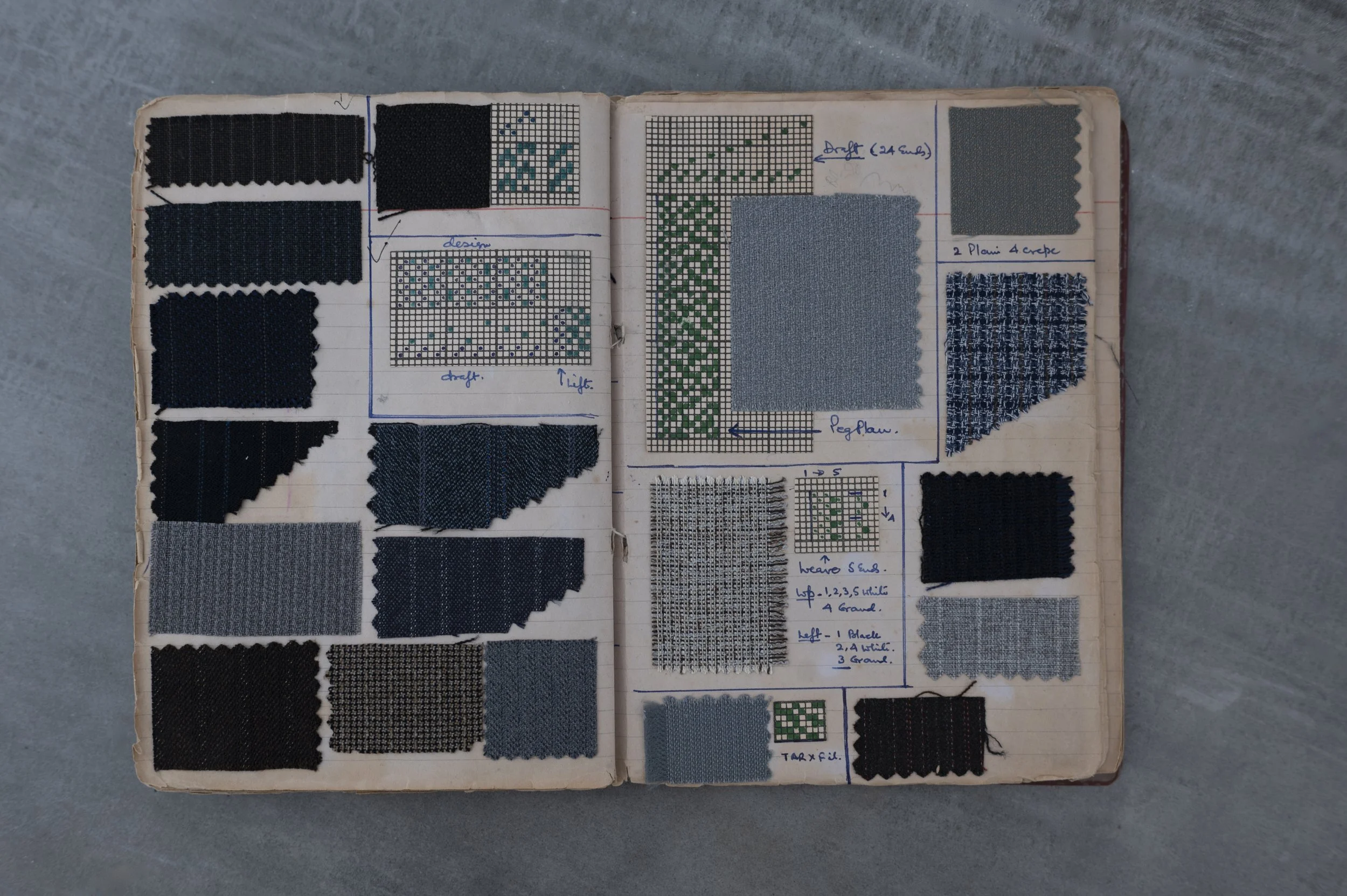
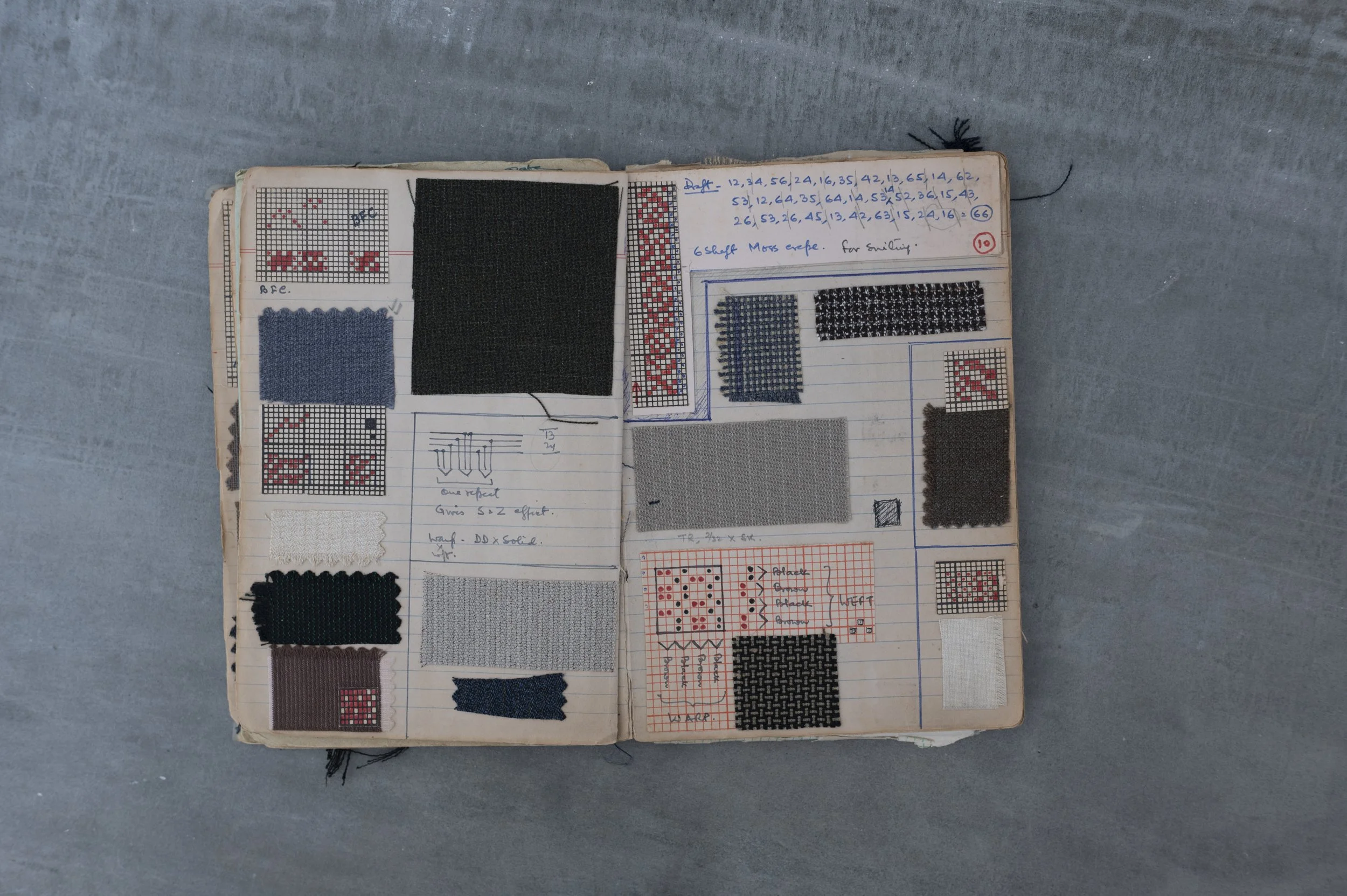
Mechaniya sidesteps a purely preservation-driven approach, offering a different way of engaging with craft histories in South Asia in the context of rapid industrial change. Rather than looking to the past, the studio uses digital tools to develop a new visual language to look ahead. Working with women from the local community, Mechaniya provides training in jacquard designing, empowering them to create patterns from memory and through experimentation. This shifts their role from manual production to creative authorship, while also challenging the common divide in factories where women are often confined to handwork and excluded from technical processes.
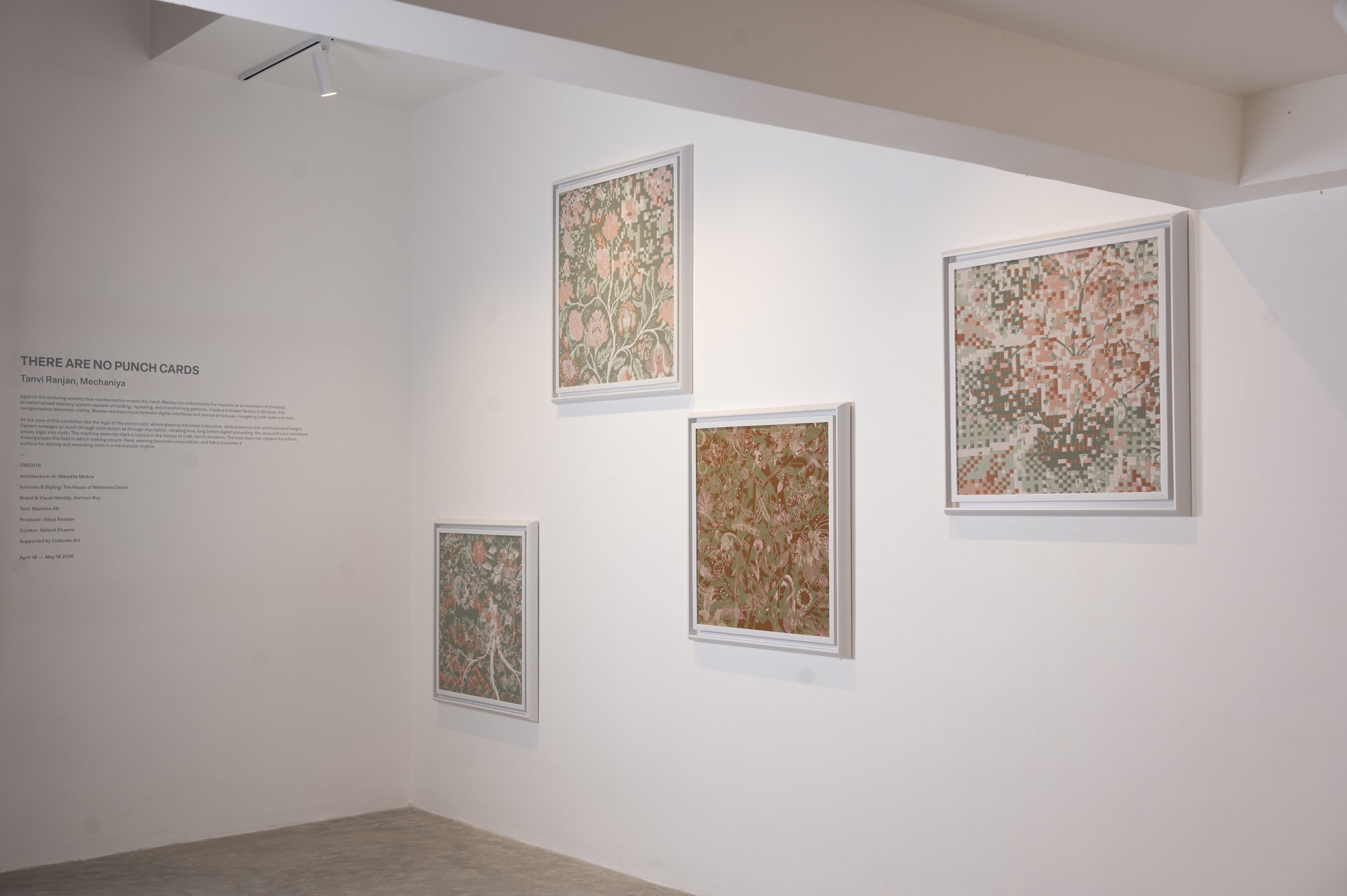
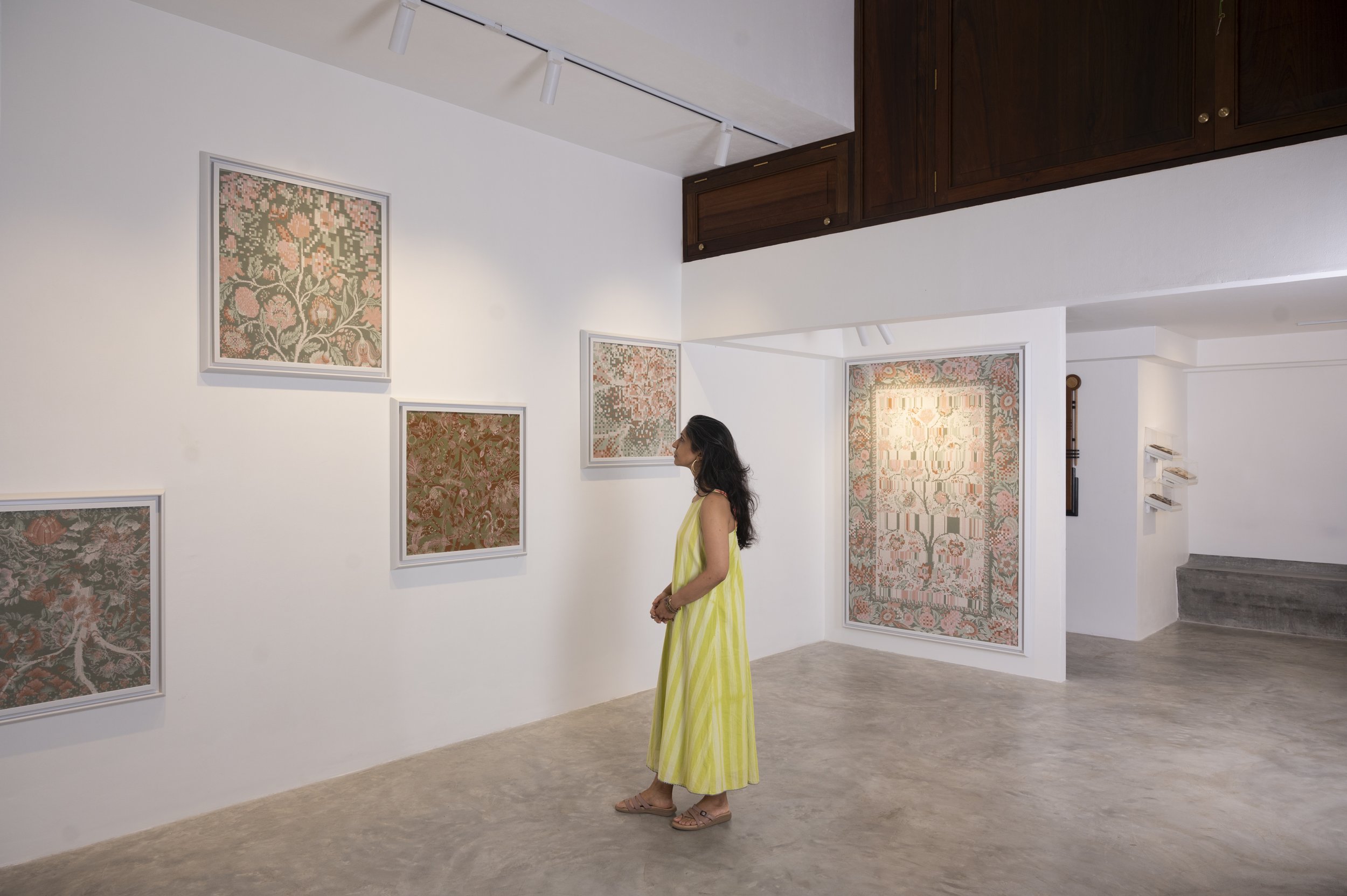
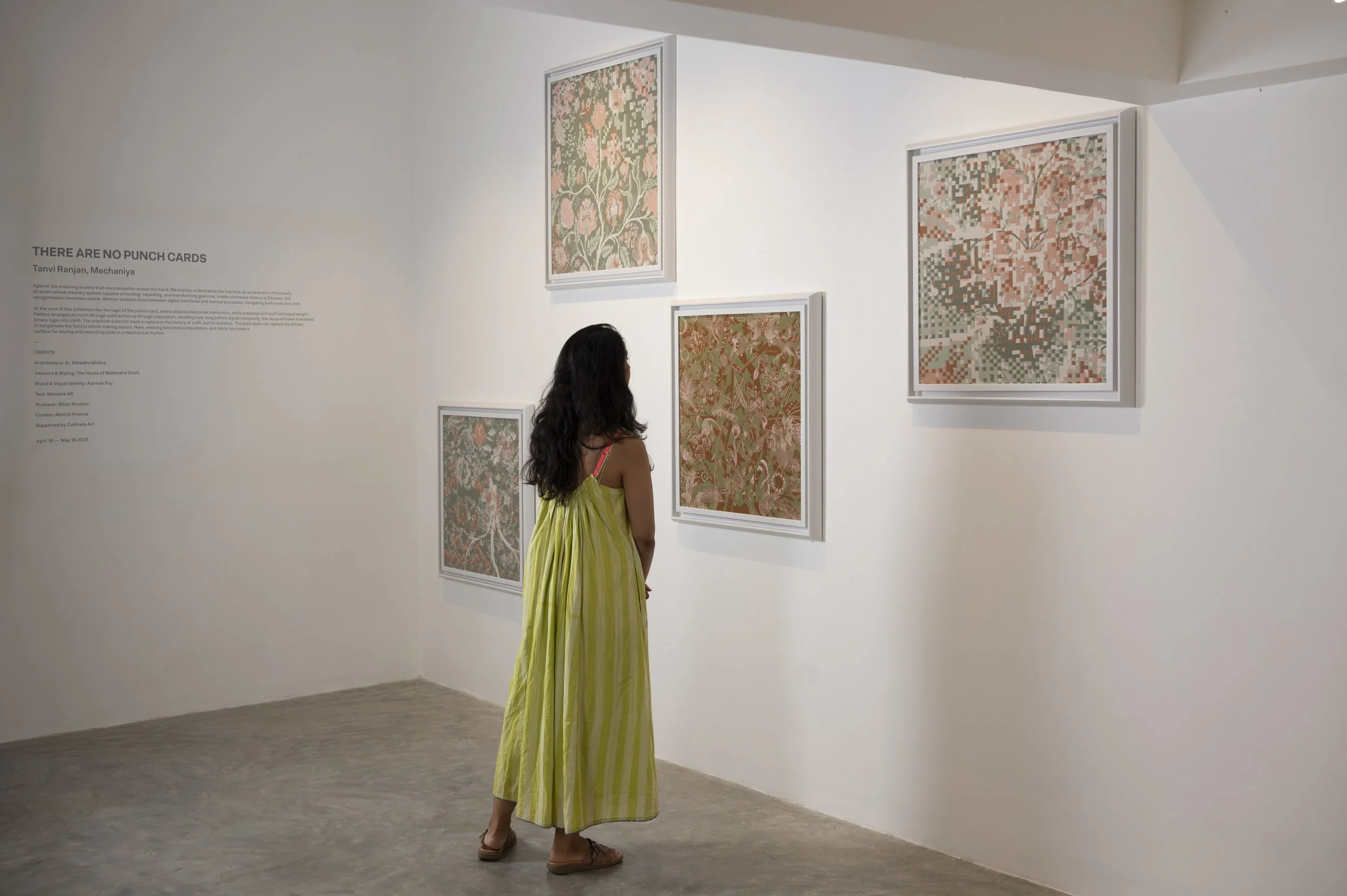
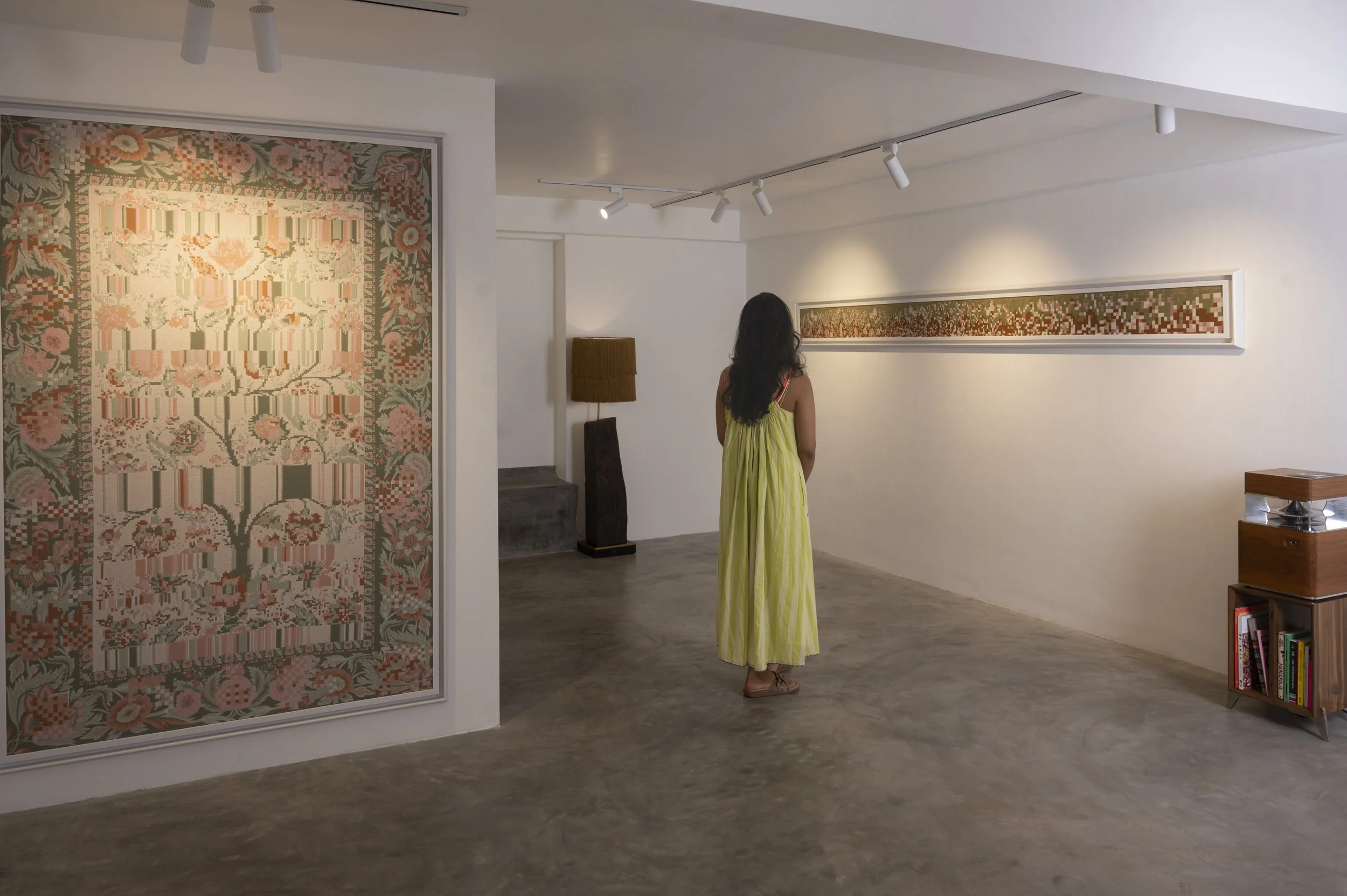
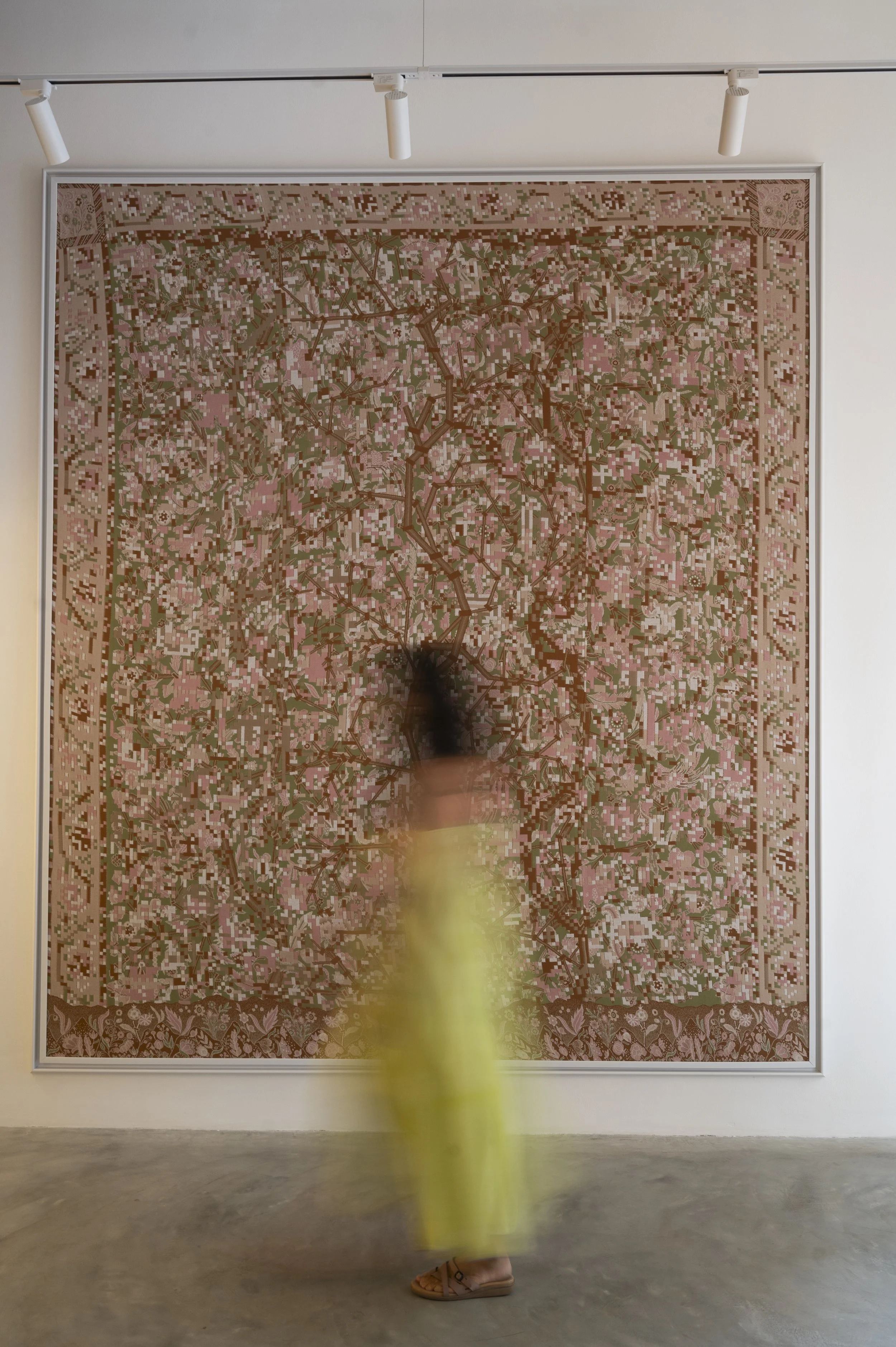
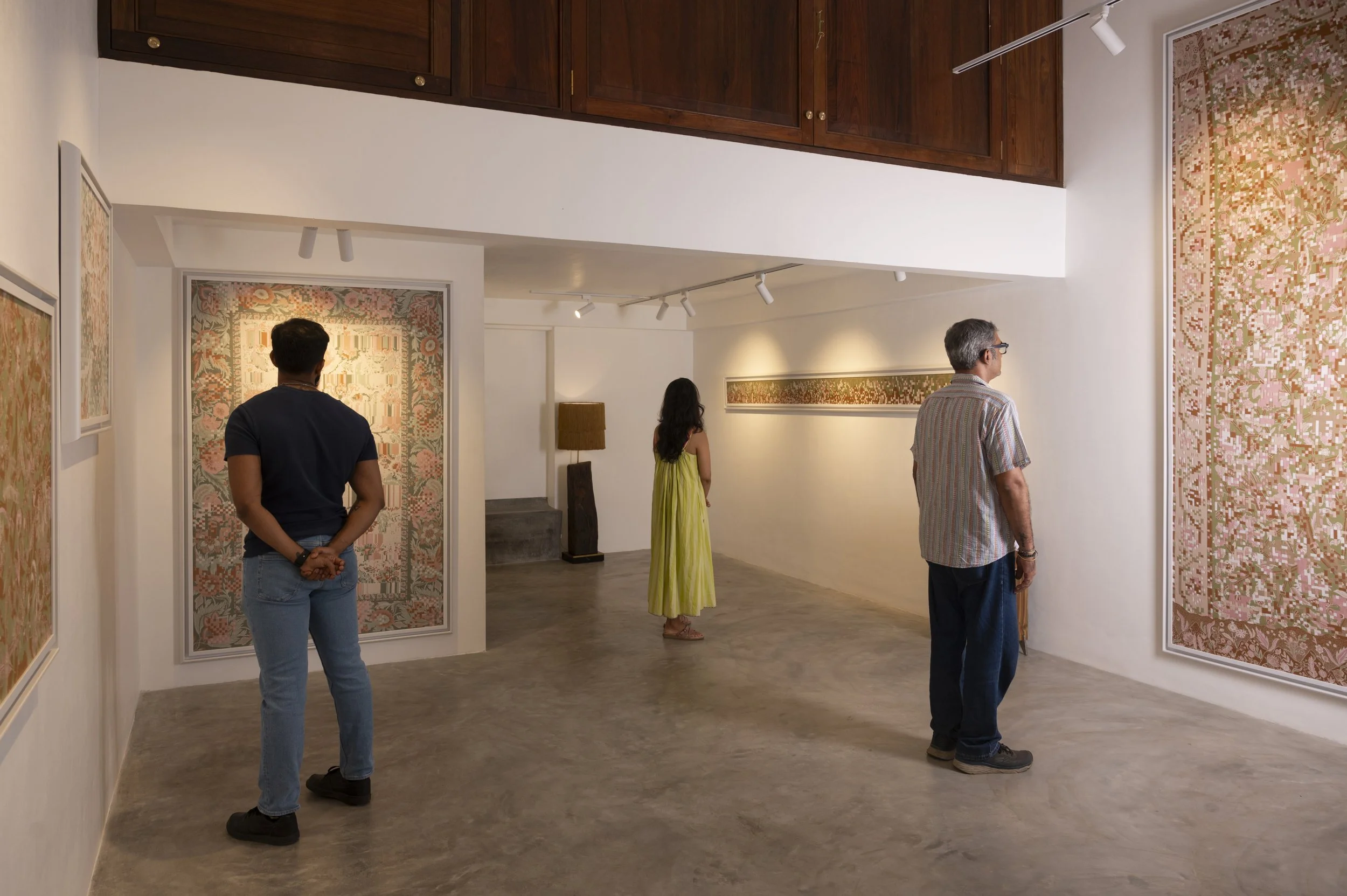
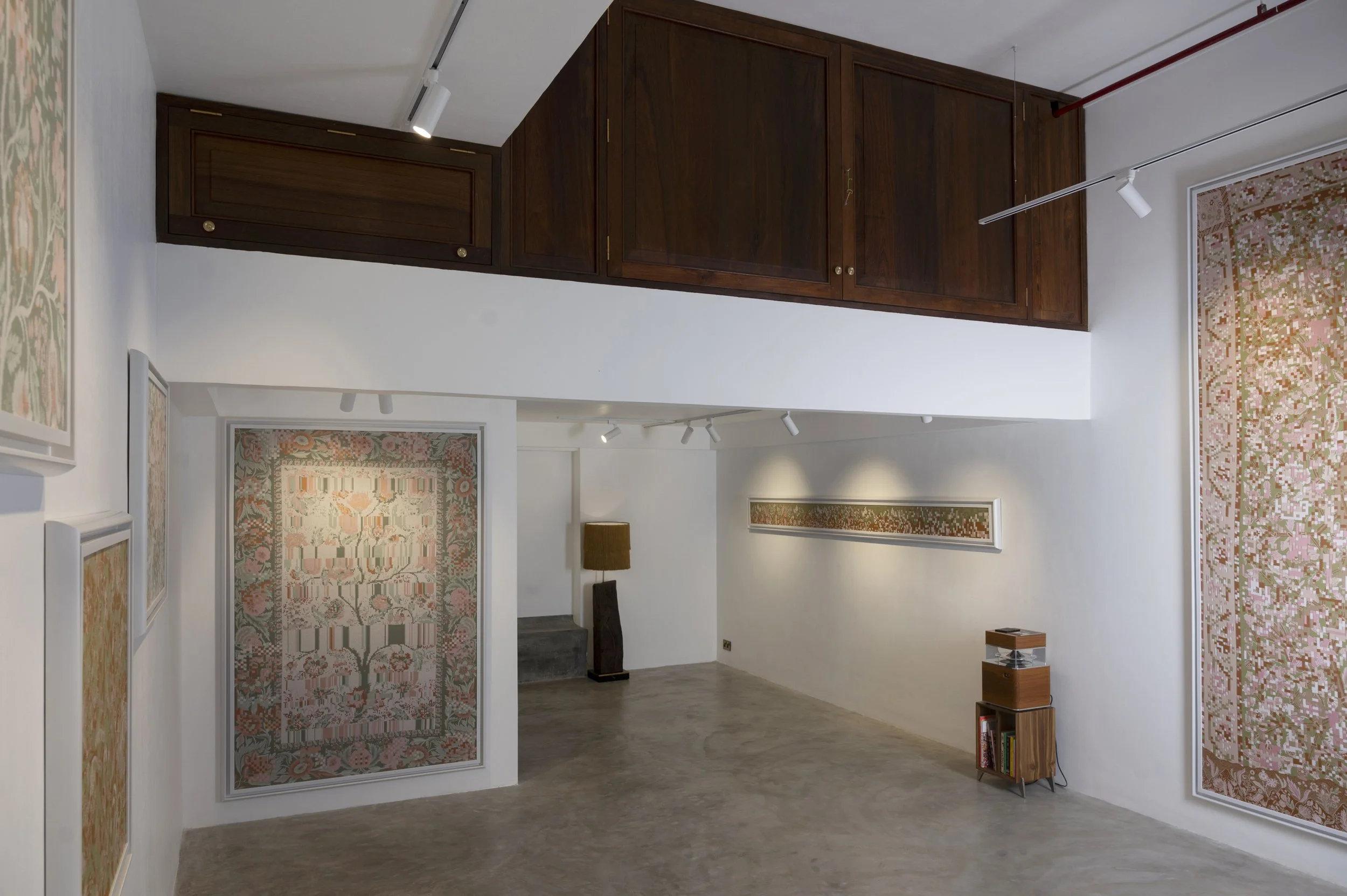
At Six Continuum, Mechaniya will showcase new works from the series titled The Buffering Baag, drawing on the visual languages of chintz and palampore, historic textile forms which are deeply embedded in India’s global trade history. With a six colour palette, each work begins with a motif, which is broken down into pixels and translated into stitch patterns for the knitting machine. The resulting works sit between tradition and technology, combining digital repetition with the variations of hand-making. Familiar forms are reimagined to connect past knowledge with contemporary practice while imagining hybrid futures between machine and hand-woven textiles.